
Understanding the psychology behind why we gamble at casinos
The Thrill of Uncertainty
The excitement of gambling at casinos is often rooted in the thrill of uncertainty. When players sit down at a table or approach a slot machine, they are participating in a game where the outcome is unknown. This unpredictability triggers a rush of adrenaline, akin to the excitement felt during other high-stakes activities. The prospect of winning can create a euphoric feeling, making it easy to forget the risks involved. In fact, many people find themselves drawn to places like Aviator casino, where the atmosphere enhances this thrilling experience.
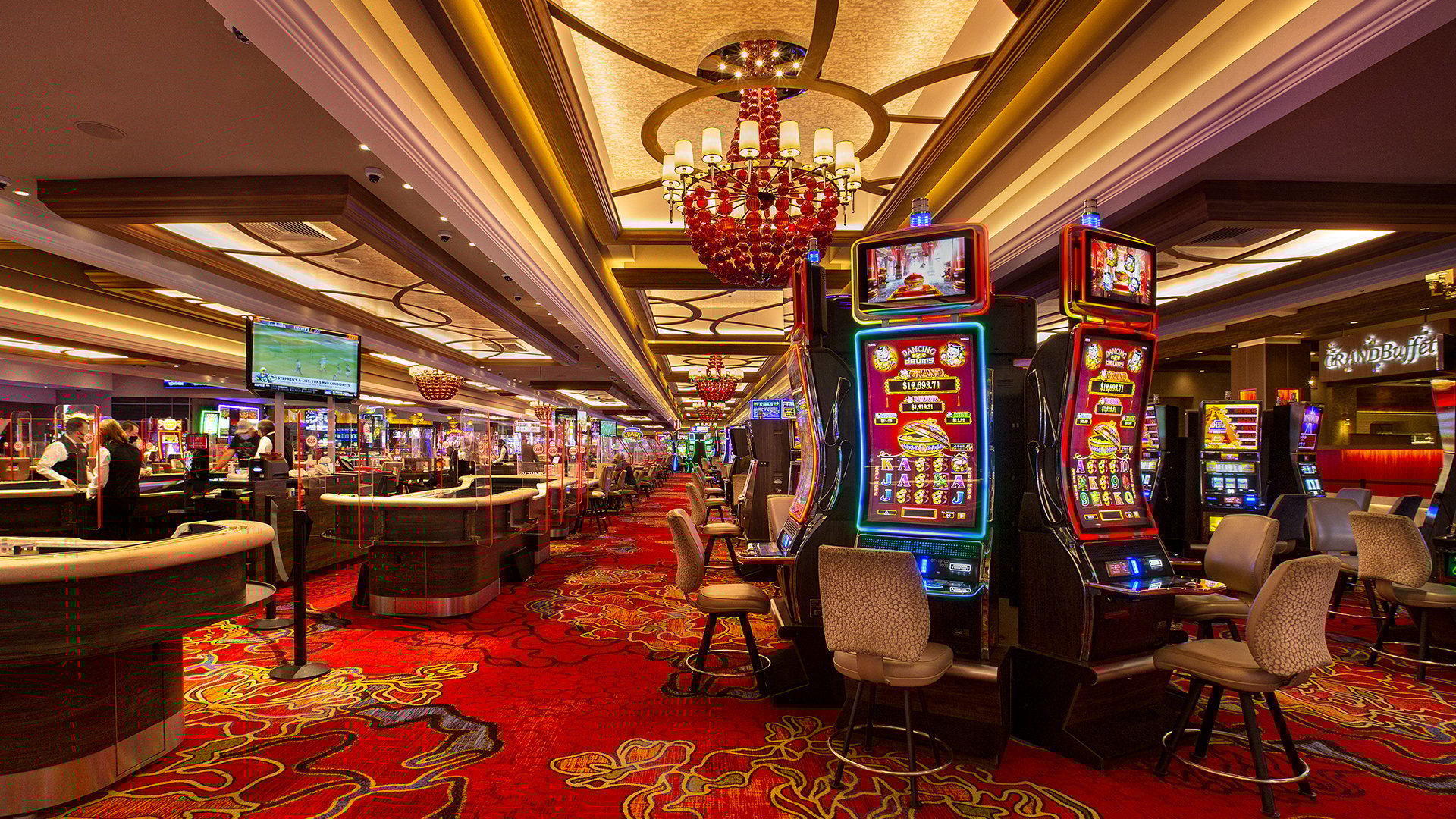
Moreover, the intermittent reinforcement of wins keeps players engaged. Unlike straightforward tasks where the outcome is certain, gambling rewards are sporadic. This means that even small wins can stimulate dopamine production in the brain, reinforcing the behavior and encouraging players to continue gambling, hoping for bigger payouts.
The Role of Social Interaction
Gambling often acts as a social activity, bringing friends and strangers together in a shared environment. The communal aspect of casinos fosters a sense of belonging, which can be particularly appealing for individuals seeking connection. Engaging with others while gambling can amplify the enjoyment of the activity and serve as a distraction from personal challenges or loneliness.
Social interactions can also create a competitive atmosphere, further enhancing the appeal of gambling. Players may find themselves motivated to outperform friends or other gamblers, increasing their investment in the game. This social dynamic can lead to longer gambling sessions and, unfortunately, more significant financial risks.
The Illusion of Control
Many gamblers hold onto the belief that they can control or influence the outcomes of their games, despite the odds being fundamentally random. This illusion of control can be particularly prevalent in games such as poker or blackjack, where players believe their skills can lead to success. Such convictions can perpetuate gambling behavior, as individuals may feel empowered by their perceived mastery over the game.
This mindset can be dangerous, as it often leads to continued play despite losses. Gamblers may chase their losses, convinced that a winning streak is just around the corner. This can result in significant financial and emotional distress, further illustrating the complexity of the psychological factors at play in gambling.
The Escape from Reality
For some, gambling serves as an escape from everyday life. Casinos offer a unique environment that can be alluring, providing a temporary reprieve from stress or personal issues. The bright lights, sounds, and atmosphere can create a sense of adventure, allowing individuals to forget their problems for a while. This escapism can be particularly appealing during challenging times.
However, using gambling as a coping mechanism can lead to detrimental consequences. When individuals consistently turn to casinos to avoid real-life challenges, they may develop unhealthy gambling habits. It’s essential to recognize when gambling is no longer a form of entertainment and becomes a means of escaping reality.
Promoting Responsible Gambling Practices
Understanding the psychology behind gambling is crucial for promoting responsible gambling practices. By acknowledging the emotional and social drivers behind gambling behavior, individuals can make informed decisions about their gambling activities. Setting limits on time and money spent at casinos can help prevent the negative consequences associated with gambling addiction.
Education plays a significant role in fostering a healthier relationship with gambling. Casinos and organizations can provide resources and support for those who may struggle with their gambling habits, ensuring that entertainment remains enjoyable and safe. Awareness of the psychological factors that drive gambling can empower individuals to gamble responsibly while still enjoying the thrill of the game.
Recent Comments